Clear scope before major work
You get a written, understandable plan: what is affected, what needs to be removed, what can be cleaned or dried, and what repair steps follow.
Serving Columbia, South Carolina & surrounding areas
24/7 Emergency Response
Restoration Services · Columbia, SC
When your property is damaged, you need a team that can assess the situation fast, protect what can be saved, and lay out a clear plan for cleanup and repair. We provide responsive, workmanlike restoration support for homes and businesses across Columbia.
On-site assessment
Measured drying
Cleanup and repair scope
Coordinated Property Recovery
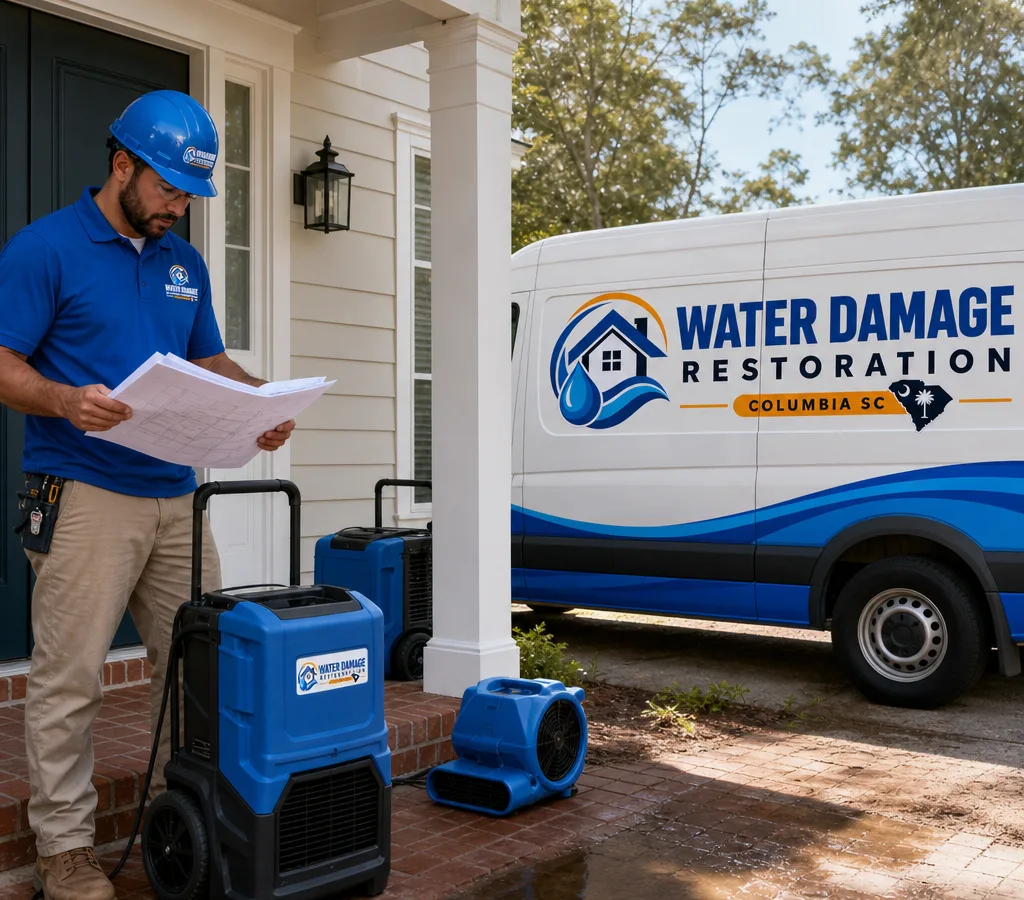
Columbia restoration is the coordinated work of stabilizing a damaged property, removing what cannot be saved, and returning the space to safe, usable condition. It typically includes on-site inspection, documenting affected areas, protecting surrounding finishes, controlled removal of damaged materials where needed, thorough cleaning, drying and dehumidification when moisture is involved, odor control, and rebuild support.
At Water Damage Restoration Columbia SC, our goal is to reduce downtime and prevent secondary damage by moving in the right order. Restoration is rarely one single task. It is a sequence, and each step affects the next: how materials are removed, where air movers and dehumidifiers are placed, what gets cleaned versus replaced, and how the repair scope is defined. Water Damage Restoration Columbia SC provides an overview of our team and service area.
Local Conditions Matter
In the Columbia area, restoration work often has to account for heat and humidity for much of the year. That combination can keep materials damp longer than expected if drying is not managed carefully, especially in enclosed cavities like wall bays, cabinetry toe-kicks, and under flooring transitions.
We also see a mix of building types: older homes closer to downtown that may have plaster, lath, or layered renovations, and newer builds with engineered materials that can delaminate or swell if moisture remains. In neighborhoods like Shandon and Forest Acres, tight crawlspaces and older subfloors can change access and drying strategy. In areas with more slab-on-grade construction, moisture can travel under resilient flooring and show up later at seams.
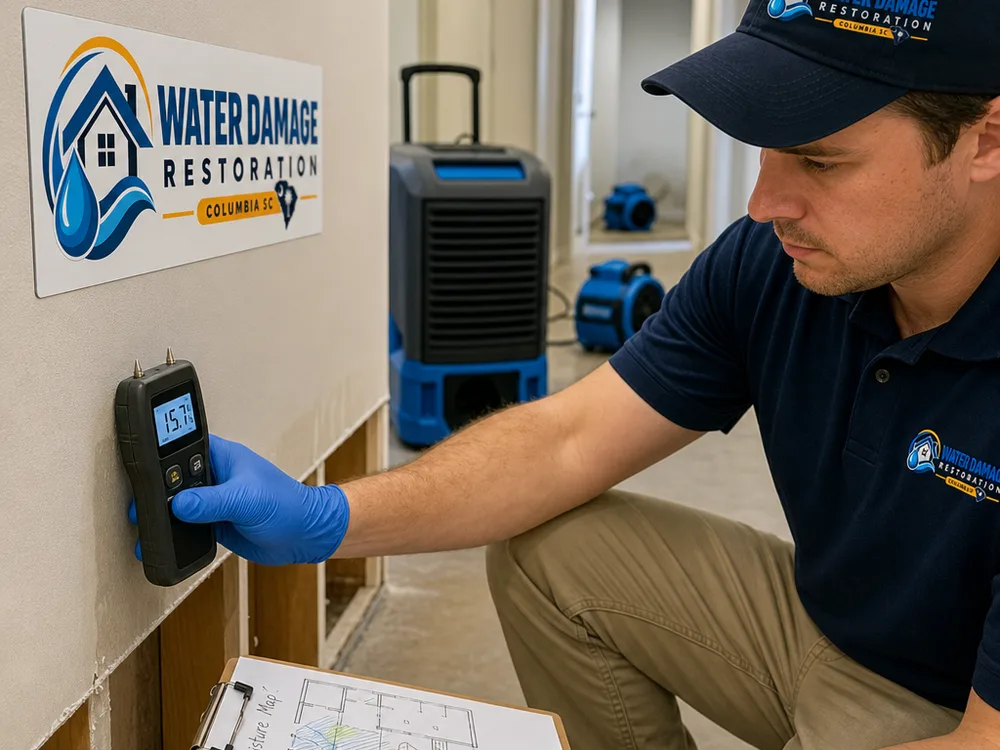
Our approach starts with practical verification: moisture mapping, identifying where water traveled, and setting up drying to target the wettest materials first. When removal is needed, we keep cuts clean and contained so the repair work can proceed efficiently and safely.
Order, Verification, Communication
You get a written, understandable plan: what is affected, what needs to be removed, what can be cleaned or dried, and what repair steps follow.
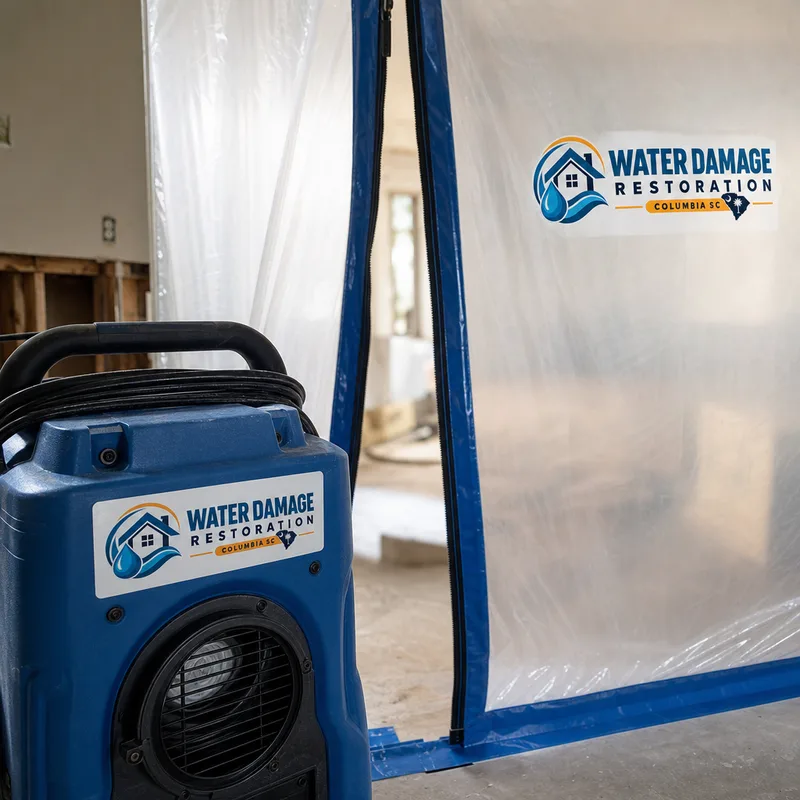
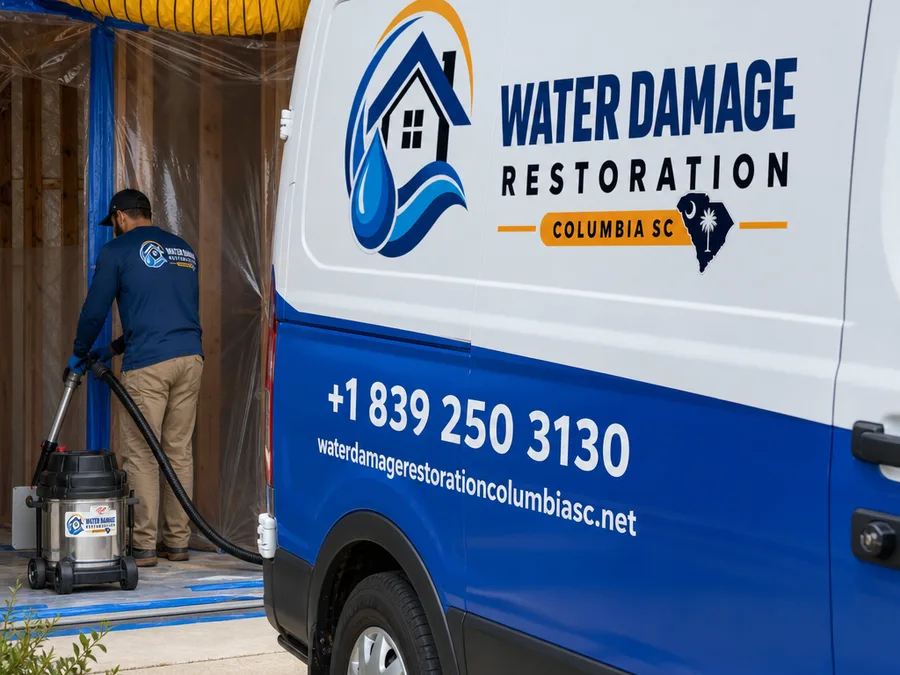
We isolate work areas when demolition or deep cleaning is required, and we protect adjacent finishes and pathways to limit dust and cross-contamination.
Drying is based on moisture readings and conditions, not guesswork. We check progress and adjust equipment placement as materials respond.
Photos, notes, and measured moisture conditions help keep decision-making straightforward, especially when multiple parties are involved.
Restoration only feels complete when the space is functional again. We structure the work so repairs can start with fewer delays and fewer re-dos.
Assessment to Repair Support
We assess affected rooms and building materials, document conditions, and take immediate steps to reduce spread, including temporary protection and targeted extraction when needed.
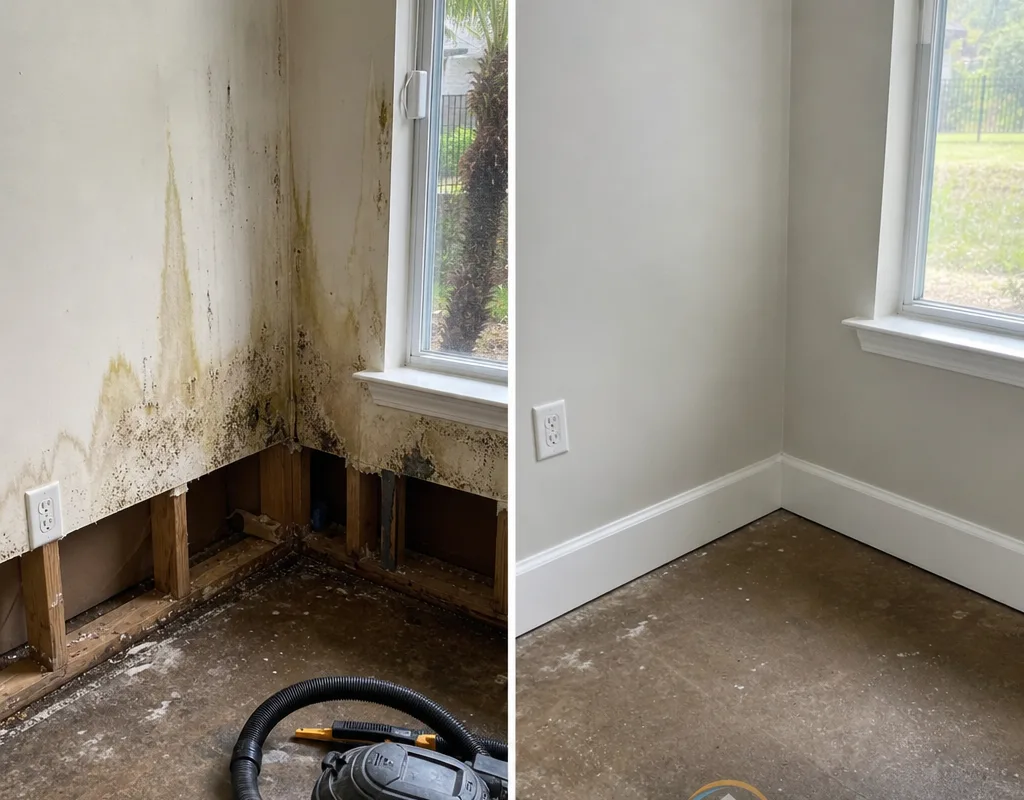
When materials cannot be saved, we remove them cleanly and safely. We clean framing, concrete, and remaining surfaces with the right methods for the condition so repairs start on a sound base.
We set drying equipment based on the wettest areas and airflow needs, then monitor moisture levels until drying goals are met for the materials involved.
If odors are present, we address the source and apply appropriate treatment. The goal is a space that is ready for rebuild work without lingering moisture or contamination issues.
We help define what gets put back: drywall, baseboards, flooring transitions, paint-ready surfaces, and other finish details affected by the damage and cleanup scope.
Orderly, Controlled Worksites
Straightforward Cost Factors
Columbia restoration typically ranges from about $1,000 to $7,500+ depending on how much material is affected, how much removal is required, and whether rebuild is included. A small, contained cleanup with limited removal can fall near the low end, while multi-room damage, specialty drying, or extensive finish repair moves costs higher.
Final price is driven by square footage, material type (drywall, insulation, hardwood, cabinets), access (crawlspaces and tight rooms take longer), how long materials were wet, and whether cleaning and odor treatment are needed. The exact cost is confirmed after an on-site inspection and a written scope.
Answers Before Work Begins
In many situations we can begin the same day, but scheduling depends on current workload and the severity of the situation. The fastest way to keep damage from spreading is to get an on-site assessment quickly so drying, containment, and cleanup can start in the correct order.
The first step is an inspection with documentation: we identify affected materials, map moisture where relevant, and determine what can be saved versus what must be removed. You should expect a clear explanation of the sequence of work and what the next 24 to 48 hours looks like.
Some materials can be saved if they are structurally sound and can be dried and cleaned to an acceptable condition; others need removal because they trap moisture or lose integrity. Drywall, insulation, and certain floor assemblies often require selective removal, while framing and many hard surfaces can usually be cleaned and dried with the right controls.
Many drying situations take about 3 to 5 days, but the real timeline depends on material thickness, how far moisture traveled, and indoor conditions. Columbia's warm, humid weather can work against passive drying, which is why verification with moisture readings matters before rebuild work starts.
Yes. We can provide photos, notes, and scope details that help support a claim and keep communication clear with adjusters and other parties. What is covered and how it is handled depends on your policy, but good documentation makes the process smoother.
Yes. Many restoration projects include rebuild support so the space can be returned to normal use, such as drywall replacement, trim, paint-ready preparation, and other finish repairs tied directly to the restoration scope.
Start With the Right Scope
Tell us what happened and what areas are affected. We will schedule an on-site assessment in Columbia, explain what needs to happen first, and provide a straightforward scope for cleanup and repair.