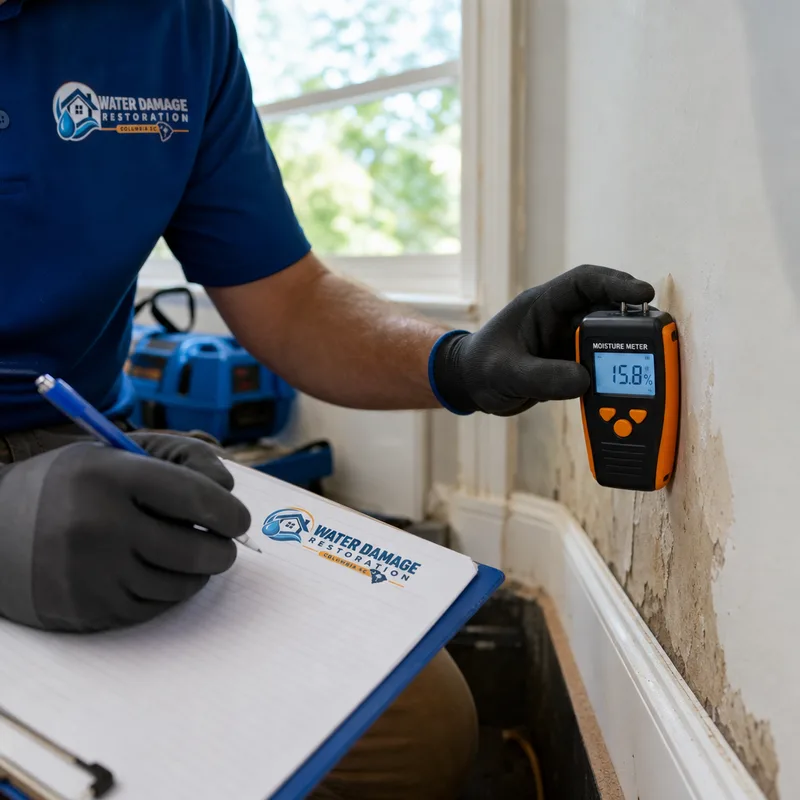
Clear inspection and moisture mapping
We use moisture meters and non-invasive scanning to find affected areas, then document readings so drying decisions are based on conditions, not guesswork.
Serving Columbia, South Carolina & surrounding areas
24/7 Emergency Response
Restoration Services · Columbia, SC
When a property is damaged, the next steps need to be clear: protect what can be saved, stop the cause, document conditions, and start controlled drying and repair with certified technicians and insurance-friendly reporting.
Certified technicians
Controlled drying
Insurance-ready reporting
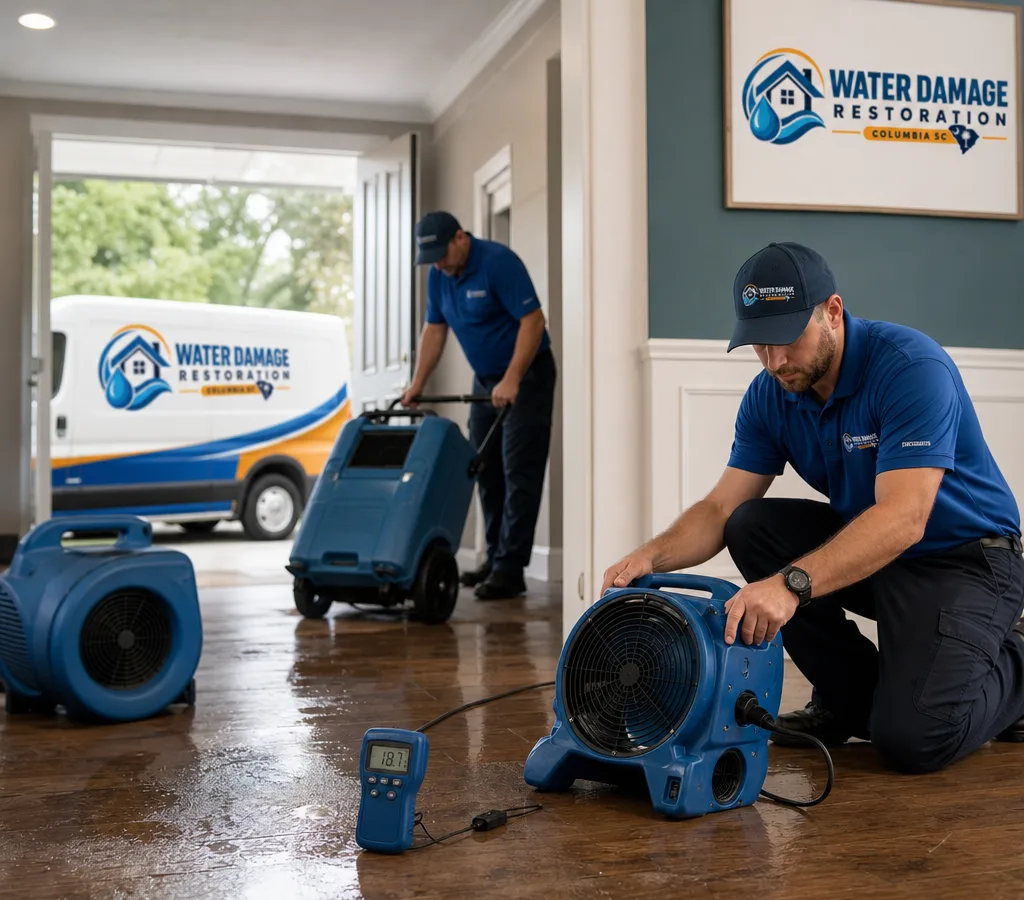
Protect the affected area, stop active water when it is safe, and begin moisture documentation before hidden damage spreads deeper into the structure.
Stabilize Before Rebuilding
If you are searching for restoration Columbia SC, you are usually dealing with damage that cannot wait: water intrusion, storm-related problems, or a loss that leaves materials unsafe or unstable. Restoration is the coordinated work that stabilizes the property first, then rebuilds it back to pre-loss condition—or better, when code requires it.
In Columbia, quick response matters because humid conditions slow natural evaporation and can push moisture deeper into drywall, subfloors, and framing. The goal is controlled drying and safe removal, not simply heating the space or running fans. A proper restoration plan is built around moisture mapping, containment when needed, and step-by-step documentation so you can make decisions and, if you are filing a claim, your carrier has clear support for what was necessary.
Water Damage Restoration Columbia SC provides restoration services for residential and light commercial properties in and around ZIP 29204. You get a written scope, practical options, and a work plan that prioritizes safety, drying performance, and a clean path to repairs.
Inspect · Stabilize · Document
We use moisture meters and non-invasive scanning to find affected areas, then document readings so drying decisions are based on conditions, not guesswork.
Restoration starts by stopping what is still causing damage, securing the area, and preventing secondary problems like material failure or contamination spread.
If materials cannot be dried safely, we isolate the work zone and remove what is necessary so the remaining structure can dry properly.
Air movers, dehumidifiers, and targeted drying methods are set up based on the structure, the materials involved, and where moisture is trapped.
Photos, notes, readings, and an itemized scope help align expectations between you, your adjuster, and the repair plan.
Once the property is dry and stable, we move into repair planning so finishes and structural elements are restored correctly.
Built for Midlands Properties
Restoration is never one-size-fits-all. The same leak can behave differently depending on the building type, flooring, and how long water traveled before it was noticed.
In areas like Shandon and Rosewood, many homes include older plaster, original hardwood, or layered renovations. Those assemblies can hide moisture in ways that make surface drying look better than it is, so moisture mapping and controlled drying matter. In Forest Acres, you often see slab foundations and mixed flooring transitions, which can create pockets where moisture wicks under baseboards and into adjacent rooms. Downtown Columbia condos and older commercial spaces frequently share walls and chases, so we pay attention to vertical pathways and neighbor impacts.
We also plan around the Midlands climate. High humidity means the drying strategy needs dehumidification sized to the space and conditions. If materials are wet, simply adding air movement without sufficient dehumidification can stall progress and keep surfaces damp.
If you are comparing providers, the best question to ask is simple: How will you verify that the structure is dry, and what readings will you document to prove it?
Triage to Rebuild
We start by identifying immediate hazards and stabilizing the space. If there is standing water or active intrusion, the priority is preventing additional damage and keeping the area safe to enter.
We assess affected materials, map moisture migration, take photos, and record readings. This becomes the basis for the drying plan and the repair scope.
We set equipment and containment based on conditions, then monitor progress. Drying is adjusted as readings change, because the right setup on day one is not always the right setup on day three.
If the loss involves odor or residues, we use appropriate cleaning methods for the affected surfaces and contents. We match methods to the material so finishes are not damaged during cleanup.
After drying targets are met, we confirm what can be restored versus replaced and outline the repair steps. That includes drywall, trim, flooring transitions, and paint prep when those elements were impacted.
Scope Based on Real Conditions
Restoration in Columbia typically ranges from about $1,500 to $8,000+ for common residential losses, depending on how far the damage spread and what needs to be removed and rebuilt. Small, contained issues can be on the lower end, while multi-room saturation, wet cabinets, or specialty materials can push the total higher.
Final price depends on water category or contamination risk, affected square footage, drying days and equipment needs, demolition and debris handling, access, and the repair scope, including drywall, flooring, trim, and paint. The exact cost is confirmed after an on-site inspection and moisture mapping so the scope matches real conditions.
They explained what was happening, showed the moisture readings, and updated the drying setup as things changed. The paperwork was organized enough that the adjuster had what they needed without back-and-forth.
I appreciated that they focused on drying the structure the right way before talking repairs. The process felt orderly instead of chaotic, which helped a lot in the first few days.
Document From the Start
If you plan to file a claim, restoration is easiest when the scope and documentation are built for insurance review from the start. That usually means clear photos, moisture logs, an itemized scope, and notes about why specific materials could not be saved.
You still want a contractor who will explain options in plain terms. For example, some materials can be dried in place if readings trend down and the assembly allows airflow. Others trap moisture and need selective removal so the remaining structure can dry. The right answer depends on the property, not on shortcuts.
If you want a quick overview of who we are and the areas we serve in Columbia, Water Damage Restoration Columbia SC is a good starting point for expectations and next steps.
Answers Before Work Begins
Response time depends on current volume and conditions, but restoration triage is prioritized because delays can increase damage. When you contact us, we will confirm availability, what to do immediately, including shutoff and safety steps, and what information to gather for documentation before work starts.
A structure is considered dry when moisture readings and material conditions return to acceptable levels for the specific assembly, not when the surface feels dry. We verify with moisture meters and repeat readings over time so drying decisions are based on data and trends.
Some finishes can be saved if the water exposure is clean, the materials are compatible with drying, and readings improve as expected. If water migrated behind baseboards, under flooring, or into insulation, selective removal is often necessary to reach wet cavities and prevent trapped moisture.
Stop the source if it is safe, avoid using electrical outlets in wet areas, and move small valuables out of the affected zone if you can do so safely. Taking a few photos of visible damage and the source area can also help with documentation, especially if conditions change before inspection.
Yes, we can provide documentation and scope details that an adjuster can review, and we can answer technical questions about drying and removal decisions. Coverage decisions are made by the carrier, but clear photos, readings, and itemized notes usually reduce delays.
Drying commonly takes several days, while repairs can add additional time depending on material availability and the scope. The timeline is driven by how much water entered the building, what materials were affected, and how quickly drying targets are met and verified.
A Clear Plan Starts Here
Tell us what happened and what you are seeing right now. We will explain the next steps, inspect the affected areas, and provide a written scope that supports a clean restoration plan and straightforward insurance communication.