Moisture mapping and clear documentation
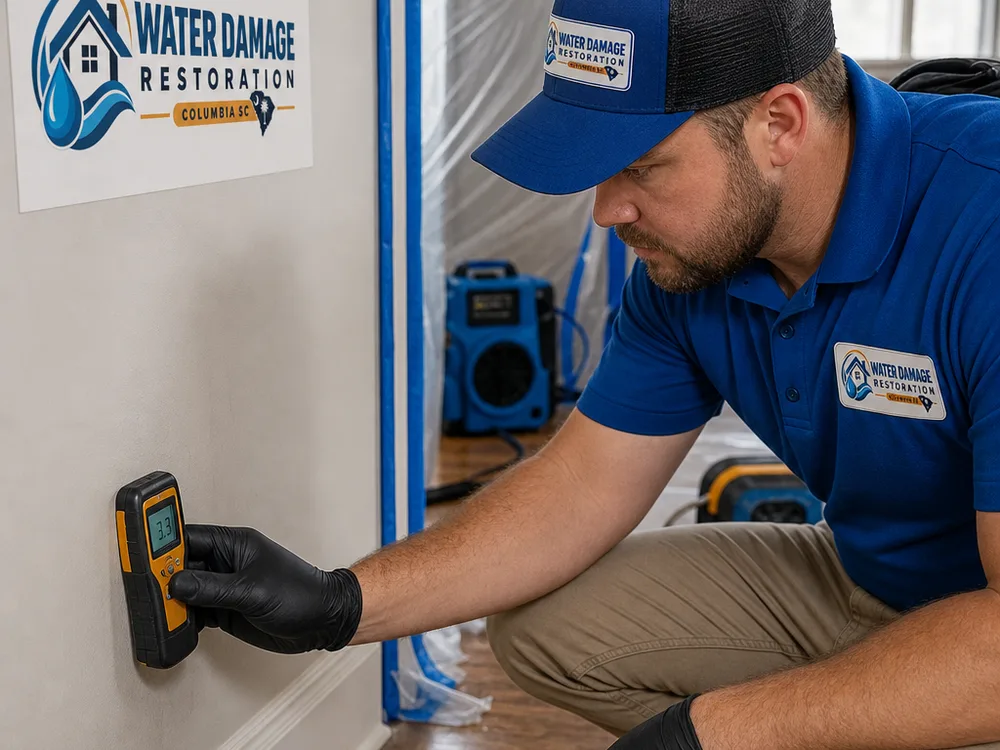
Expect photos, moisture readings, and notes that show what areas are affected now and what is being monitored as drying progresses.
Serving Columbia, South Carolina & surrounding areas
24/7 Emergency Response
Restoration Services · Columbia, SC
When your property is hit by water, you need a team that can inspect the damage, stop the spread, document conditions, and move you toward repairs with a clear scope and timeline.
Moisture investigation
Controlled structural drying
Documented repair scope
Clear Answers From the First Visit
Searching for restoration companies Columbia SC usually means you need fast answers: what happened, what’s wet, what’s unsafe, and what needs to be removed versus dried in place.
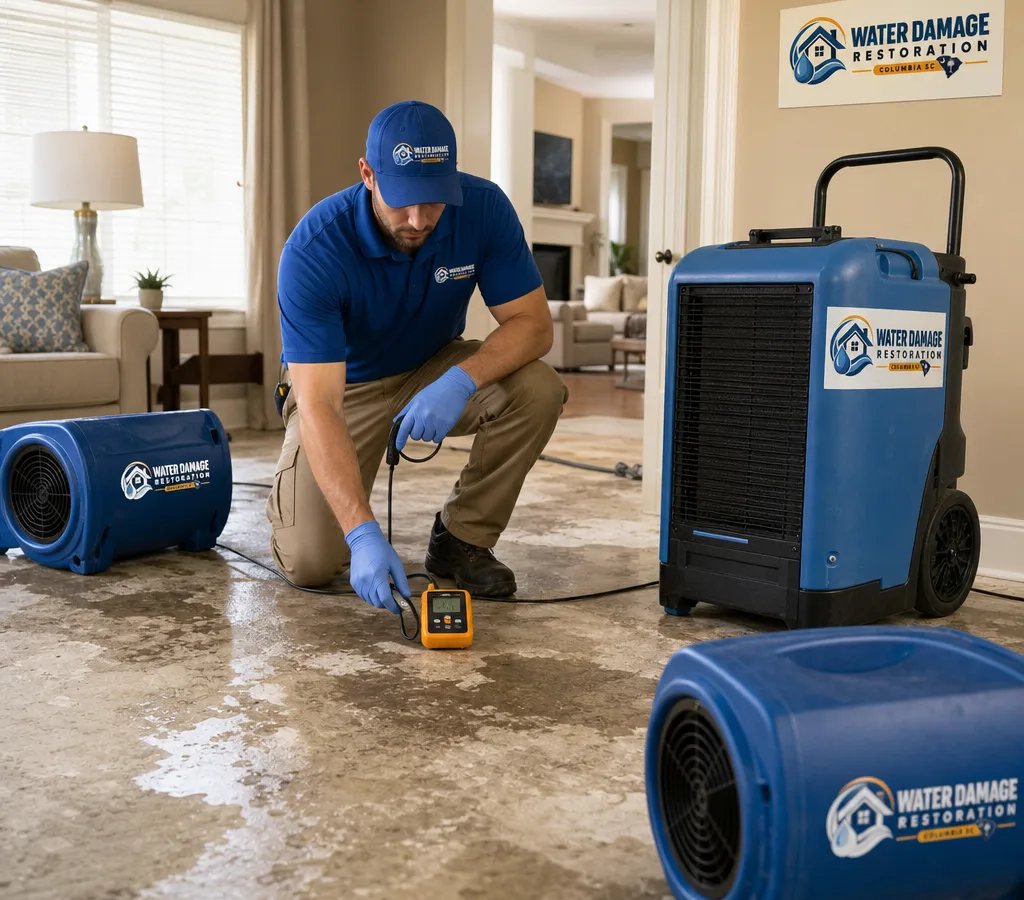
A qualified restoration company starts with a moisture investigation, not guesses. Water often travels behind baseboards, under flooring, and into wall cavities where it can’t be seen. The first visit should include locating the source—or confirming it is already stopped—checking for secondary damage, and setting a drying plan that matches the materials and how long things have been wet.
In Columbia, the work often involves a mix of slab foundations, crawlspaces, and attached garages. Each behaves differently once water gets in. Crawlspaces can trap moisture and keep humidity high even after visible water is gone, while slabs can keep moisture locked under certain flooring types. A restoration company should explain what it found, what equipment will be used, and what the dry standard is for your structure.
Water Damage Restoration Columbia SC serves the Columbia area and focuses on practical next steps: inspection, documentation, drying and cleanup, and coordinating the move from emergency work into rebuild when needed.
Measured · Controlled · Documented
Expect photos, moisture readings, and notes that show what areas are affected now and what is being monitored as drying progresses.
Drywall, hardwood, carpet pad, cabinets, and insulation all respond differently. The plan should state what can be dried and what must be removed.
When cutting out wet materials or cleaning heavily affected areas, proper containment helps keep dust and contaminants from spreading through the home.
Air movers, dehumidifiers, and specialty drying tools only work when sized correctly and verified with follow-up moisture readings.
The emergency phase should end with a written scope for repairs and a clear handoff plan so your property can be put back together correctly.
Restoration Is Measured Work
Restoration is measured work. It is built around standards, documentation, and controlled drying, not simply removing what looks wet.
A typical restoration company workflow includes:
For Columbia properties, this matters because warm, humid conditions can slow drying if the job is not set up properly. A good plan accounts for indoor humidity, how the HVAC is used during the dry-out, and whether a crawlspace or enclosed area needs dedicated drying.
Source to Repair Scope
The first priority is making sure the water source is stopped and checking for electrical or slip hazards. If the cause is a failed appliance, burst line, or overflow, that should be documented.
Technicians should check obvious areas and hidden cavities where water migrates. You should receive a clear plan: what gets removed, what gets dried, what equipment is placed, and what the timeline looks like.
Standing water is extracted first. If materials cannot be dried safely or would trap moisture, selective removal happens next so the structure can dry fully.
Equipment is placed and then verified through follow-up readings. The crew should adjust airflow and dehumidification as materials dry, not set it once and disappear.
When drying goals are met, you should receive final notes and a repair direction. If repairs are part of your plan, ask for a written scope so decisions are made before work begins.
Understand the Cost Factors
Most restoration projects in Columbia typically range from about $900 to $6,500+ for water cleanup and structural drying, depending on how much area is affected and how long materials stayed wet. A small, contained leak with minimal removal may land near the low end, while multi-room saturation, wet drywall removal, and extended equipment time push costs higher.
Final pricing depends on square footage, water category, access such as crawlspaces, how many materials need removal, and the number of days equipment must run. The exact cost is confirmed after an on-site inspection and moisture mapping.
If you’re comparing restoration companies, ask for a written scope that explains what will be dried, what will be removed, and how progress will be verified with moisture readings.
Call for Emergency HelpClear Communication Matters
We had water in two rooms and didn’t know what needed to come out. They showed us the moisture readings, explained the drying setup, and kept checking until the numbers came down.
What I appreciated most was the documentation. Photos, notes, and a clear list of what was affected made it easier to make decisions on repairs.
Compare With Confidence
You should seek same-day help when possible because wet materials and high indoor humidity can accelerate damage and odor. Even when the water is already shut off, a fast inspection helps determine what is wet behind surfaces and whether selective removal is needed to dry the structure correctly.
The first inspection should confirm the source is stopped, map moisture beyond the visible area, and identify materials that will trap water, such as insulation, carpet pad, or layered flooring. You should also expect photos and moisture readings that support the drying plan and any recommended removal.
Many restoration companies coordinate the full job, but the important point is that the emergency phase ends with a clear repair scope. Ask who is responsible for drywall replacement, flooring transitions, trim, paint matching, and cabinet work so the project does not stall after drying is complete.
Structural drying commonly takes 3 to 5 days, but the real timeline depends on how much water was absorbed, the materials involved, and whether wall cavities or crawlspaces are affected. A credible company bases the stop point on moisture readings meeting drying goals, not a fixed number of days.
Not always, but removal is often necessary when materials are swollen, delaminating, contaminated, or trapping moisture where airflow cannot reach. A restoration company should explain why removal is recommended, what will be protected with containment, and how the remaining structure will be dried and verified.
Ask how they will measure and document moisture, what equipment they plan to use and why, how often they will check progress, and how repairs will be scoped after drying. You will get better comparisons from written scopes than from short verbal estimates.
Yes, most restoration work is documented in a way that supports an insurance claim, including photos, moisture readings, and line-item scopes when needed. It still helps to confirm what documentation you will receive and when, since timelines and requirements can vary by policy and adjuster.
From Emergency Cleanup to Repairs
Tell us what happened and what areas are affected. We’ll walk the property, document conditions, and explain the next steps so you can move from emergency cleanup to repairs with a clear scope.