
Moisture-first approach
Mold keeps coming back if the moisture source is still active. We look for leak paths, wet materials, and humidity conditions that let mold colonize.
Serving Columbia, South Carolina & surrounding areas
24/7 Emergency Response
Mold Inspection · Columbia, SC
If you suspect mold after a leak, flood, or lingering humidity, get clear answers fast with certified sampling, moisture checks, and a written report you can use for next steps.
Certified sampling
Moisture mapping
Written findings
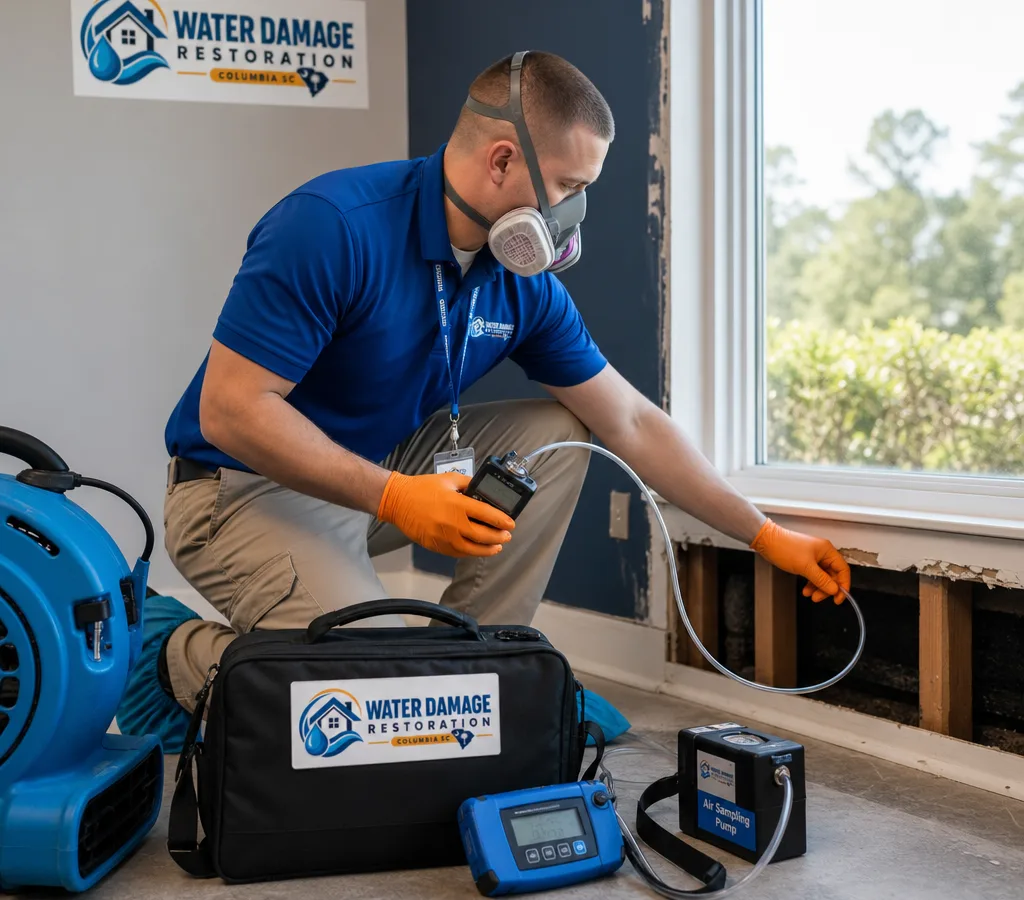
Know When to Inspect
A mold problem usually starts as a moisture problem. In Columbia, that often means a roof leak after a storm, an overflowing HVAC condensate line, a plumbing leak under a sink, or damp materials that never fully dried after water intrusion.
Schedule an inspection when you notice:
If there was a recent leak or flooding event, document what happened and when. Stabilizing wet building materials first can help preserve useful evidence while preventing further damage.
Request Emergency ServiceEvidence Before Action
A proper inspection is more than a quick look. We focus on finding moisture sources, locating likely growth areas, and collecting defensible samples when sampling is appropriate.
Typical scope includes:
What an inspection does not include: mold removal. When containment, demolition, or removal is needed, inspection results help define the work so you are not guessing at its extent.
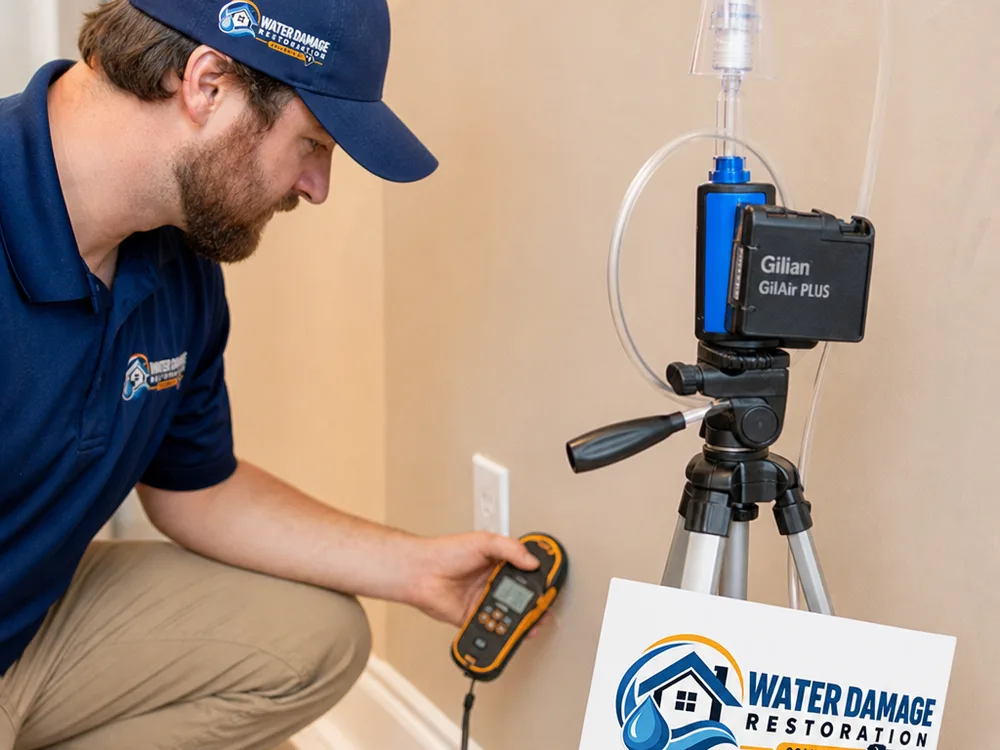
Focused Findings
Mold keeps coming back if the moisture source is still active. We look for leak paths, wet materials, and humidity conditions that let mold colonize.
We sample to answer specific questions, not to upsell. The goal is actionable information about what is present and which areas are affected.
Documentation ties findings to locations, helping with repairs, property discussions, and tracking what was addressed.
Reports translate findings into drying, targeted removal, cleaning protocols, and guidance on when another check makes sense.
We inspect owner-occupied homes, rental properties, and small commercial spaces where odors or water events have raised concerns.
Inspection to Action
Tell us what happened—such as a leak, odor, visible growth, or recent repairs—and which rooms are involved. We schedule a time window and confirm access details.
We inspect the area of concern and the likely moisture pathway. Readings help pinpoint wet drywall, subfloor, or framing that may be feeding growth.
We collect air or surface samples where they can meaningfully change decisions, such as comparing a suspect room with a reference area.
Samples are sent for analysis, then results and field notes are compiled into a report explaining what was found in plain language.
If moisture remains, drying and repairs come first. If removal is needed, findings help define containment boundaries and affected materials.
Clear Cost Factors
Mold inspection in Columbia typically ranges from $250 to $700, depending on the size of the property, how many areas are inspected, and how much sampling is needed. A focused inspection for one problem room often lands at the low end, while larger homes, multiple floors, or extensive sampling can push costs higher.
Pricing changes with access to crawl spaces or tight attics, whether air and surface samples are needed, and how much moisture mapping is required after a leak. Exact cost is confirmed at the inspection once the scope and sampling plan are clear.
Local Moisture Patterns
Mold growth is often found where you do not spend much time looking. During an inspection, we pay close attention to building materials that trap moisture and areas where air movement is limited.
Columbia’s long humid stretches can keep materials damp after a small leak, particularly in closed rooms or when HVAC humidity control is limited. Older wall assemblies and previous repairs in neighborhoods such as Shandon may conceal past moisture, while tighter homes in developments such as Lake Carolina can make ventilation and humidity control especially important.
When a recent leak or flood is also involved, inspection findings can help keep drying and repair work focused on the affected materials.
Request Emergency Service“We had a musty smell that kept coming back in one bedroom. The inspection explained where the moisture was coming from, and the report made it easy to plan the repair instead of guessing.”
“They were straightforward about when sampling made sense and when it didn’t. The moisture readings ended up being the key, and the written results were clear.”
Answers Before Testing
Appointments are often available quickly, and timing depends on the property size and urgency after a leak or flooding. When active moisture is the concern, scheduling promptly helps readings reflect current conditions before materials dry at the surface.
Visible growth may not require testing to prove that it exists, but targeted sampling can help determine whether other rooms are affected or whether a closed area is elevated compared with a reference sample. Results can also help establish containment boundaries.
Air sampling captures airborne spores for a moment-in-time comparison between areas, while surface sampling identifies what is growing on a specific material. A reference air sample and a sample from a suspect room can help show whether that room is elevated relative to the rest of the home.
Yes, provided safe access is available. Crawl spaces and attics are common Midlands moisture zones, and evaluating framing, insulation, and ventilation conditions can help explain recurring odors or indoor humidity issues.
Findings are tied to locations, with practical recommendations based on moisture readings, visible conditions, and sample results when collected. The final removal scope can change if concealed conditions are discovered behind drywall or flooring, but the report is designed to narrow those unknowns.
Yes. The written report documents observations, readings, sample locations, and lab results when applicable. It can help coordinate property decisions and repairs by giving everyone involved the same set of facts.
Inspect Before Repairs
Tell us what you've noticed and where, and we'll schedule an inspection that identifies moisture issues, confirms whether sampling is needed, and gives you a report you can act on.