
Containment first
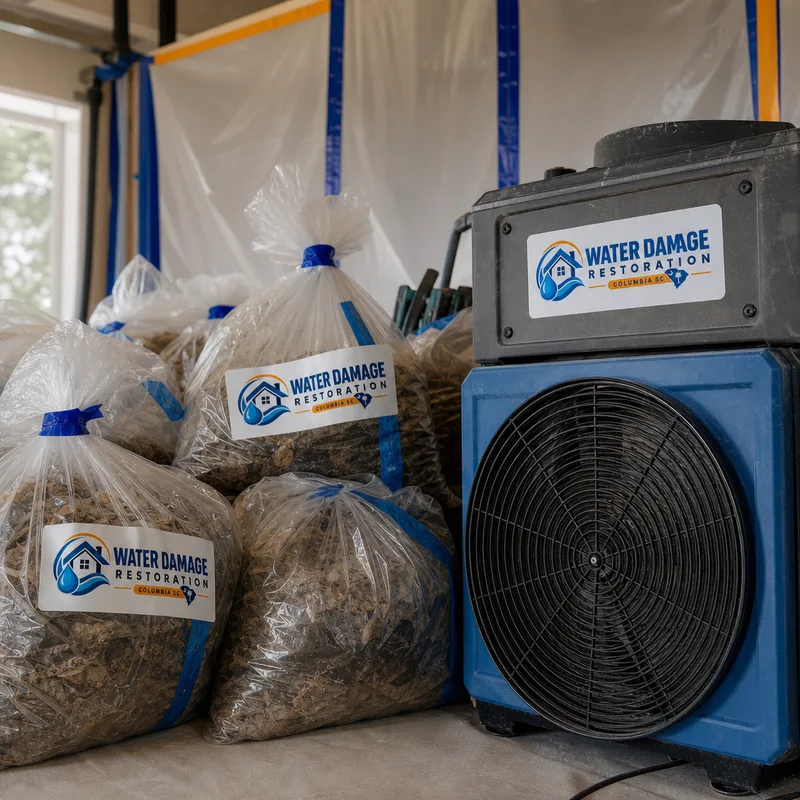
We isolate the work area with plastic barriers and use negative air when appropriate, so disturbed spores do not move through the home or workplace.
Serving Columbia, South Carolina & surrounding areas
24/7 Emergency Response
Mold Remediation · Columbia, SC
If you smell a musty odor, see staining, or have had a leak, we contain the area, remove affected materials safely, and document the work so you can move forward with confidence.
Controlled containment
HEPA air filtration
Written documentation
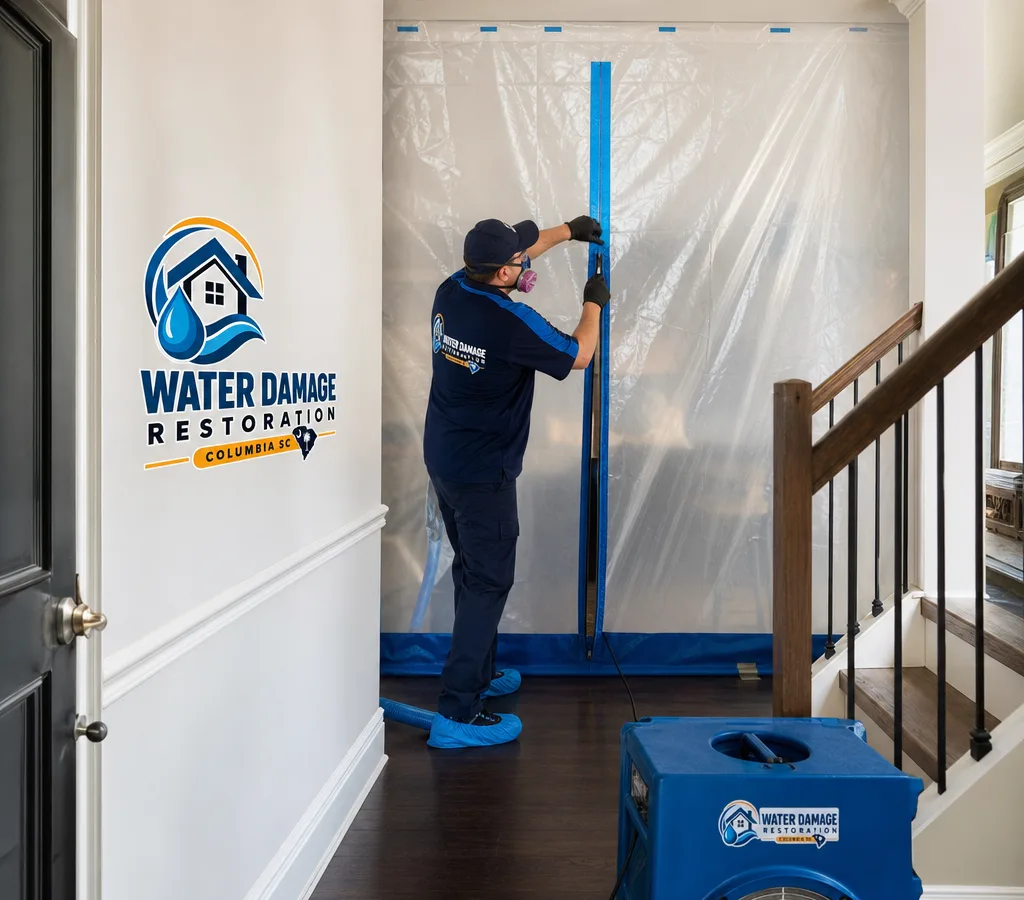
Before disturbing stained or musty materials, isolate the area and address active moisture so contamination is not spread into clean rooms.
Searching for mold remediation Columbia SC usually means you need more than a quick wipe-down. Real remediation is a controlled process: stop the spread, remove contaminated materials when needed, clean and HEPA-filter the air, and verify conditions are safe to rebuild.
At Water Damage Restoration Columbia SC, we approach mold like a contamination problem, not a cosmetic one. That means we treat the source and the affected building materials, then leave you with a clear scope of what was done and what still needs attention, including fixing the moisture that caused the growth.
Mold issues in Columbia often follow roof leaks, plumbing leaks, HVAC condensation, wet crawl spaces, or a past water event that dried on the surface but stayed in wall cavities. If you are also dealing with the moisture event that started this, our team can coordinate the timeline with water damage restoration so drying and remediation do not work against each other.
Contain · Remove · Verify
We isolate the work area with plastic barriers and use negative air when appropriate, so disturbed spores do not move through the home or workplace.
Drywall, insulation, carpet pad, and other porous materials may need to be removed if growth has penetrated. We do not promise to treat everything in place when it is not realistic.
We use HEPA vacuums and air scrubbers to reduce airborne particulate during and after work, then perform detailed surface cleaning in and around the containment.
Meters and visual inspection help confirm materials are dry enough for repair work. If a hidden leak is still active, remediation will not hold.
You receive a written scope and photo documentation of conditions and work performed, which helps when coordinating with a property manager, tenant, or insurance adjuster.
Find the Full Extent
Mold growth is often obvious only at the edges. The main contamination is frequently behind baseboards, under flooring, above ceiling drywall, inside wall cavities near plumbing, or on framing after a slow leak.
We commonly see issues in:
Because remediation depends on what is affected and how far contamination spread, we start with an on-site inspection, moisture checks, and a plan for containment and removal before we disturb anything.
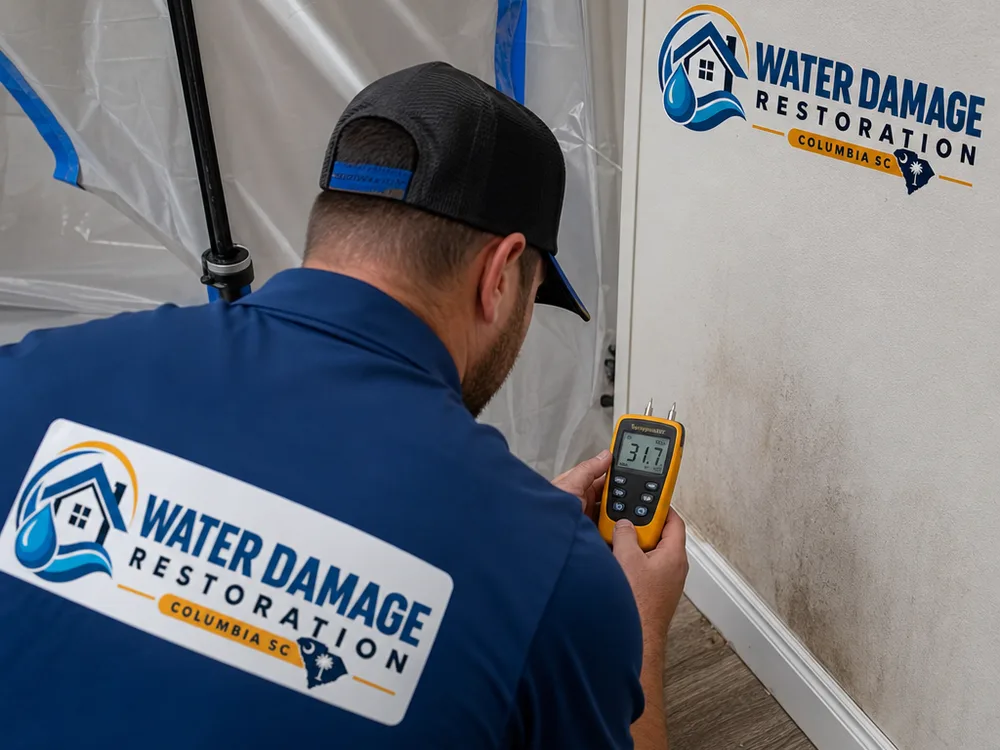
Inspection to Documentation
We identify the likely moisture source, check adjoining materials for spread, and outline what needs to be contained, removed, cleaned, and dried. If you have photos from the leak or prior repair attempts, they help.
We build a containment barrier and, when appropriate, establish negative air with HEPA filtration. This step is what separates remediation from general cleaning.
We remove materials that cannot be reliably cleaned, often drywall, insulation, carpet pad, and some ceiling tiles. Debris is bagged and handled to limit cross-contamination.
We perform detailed cleaning of remaining structural materials and nearby surfaces, plus HEPA vacuuming. Depending on the situation, antimicrobial products may be applied as part of the cleaning protocol.
If materials are damp, we run drying equipment and confirm moisture levels are trending down. Remediation is only stable when the area is dry and the moisture driver is addressed.
You receive photos and a written summary of the work area, materials removed, and recommendations for repairs or prevention, such as fixing the leak, improving ventilation, or controlling crawl-space humidity.
Clear Cost Factors
Mold remediation in Columbia typically ranges from about $1,500 to $6,500+ for most residential projects, depending on how many rooms are affected and how much material must be removed. A small, contained area with limited removal often falls on the lower end, while multi-room contamination or heavy drywall and flooring removal increases cost.
Final pricing mainly depends on the square footage of the affected area, the need for negative air containment, how much insulation, drywall, or flooring has to come out, access to attic or crawl-space areas, and whether drying equipment is needed. The exact cost is confirmed after an on-site inspection and a written scope.
Humidity, crawl spaces, HVAC condensation, and storm-related leaks can sustain moisture after surfaces appear dry, so remediation must include source correction and moisture verification.
Controlled Work Areas
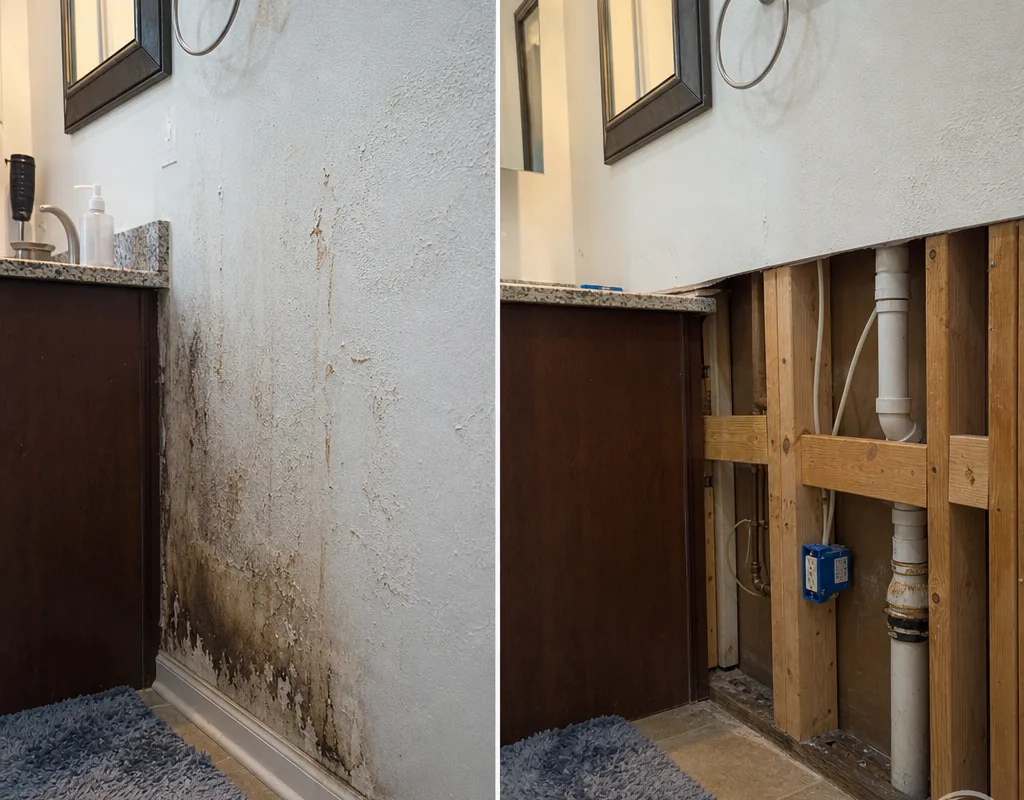
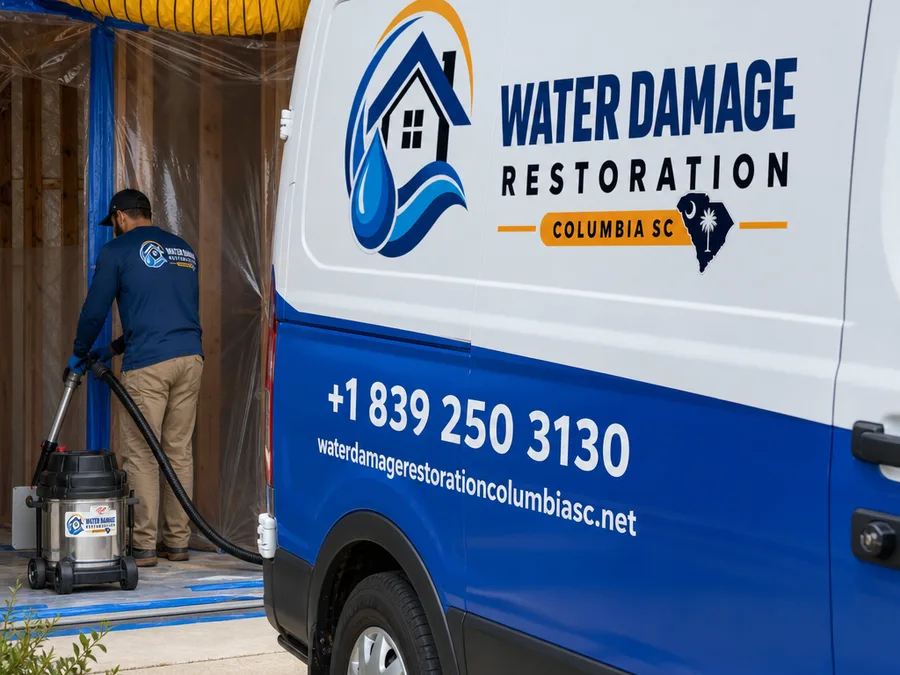
Answers Before Work Begins
Many projects can begin quickly once an inspection confirms the scope, because containment and air control are set up on site. The start time depends on access, how much demolition is required, and whether active moisture still needs drying first.
Remediation decisions are usually based on the extent of visible growth, moisture conditions, and what materials are affected, not the specific species. If you need lab testing for a real estate transaction, employer requirement, or medical documentation, we can discuss how to coordinate that with an independent indoor environmental professional.
Sometimes, but only when the affected material is non-porous or semi-porous and the growth has not penetrated. If mold is inside drywall paper, insulation, or carpet pad, removal is typically the reliable option because those materials cannot be fully cleaned through their depth.
Keep the area closed off as much as possible and avoid running fans that could move air from the affected space into clean areas. If it is safe, stop the water source, and set aside any photos or notes about when the issue began and what repairs have already been attempted.
Coverage depends on your policy and what caused the mold. Many policies consider mold related to a sudden covered water loss differently than mold from long-term humidity or a slow leak. We provide documentation and a clear scope that can support a claim review, but the adjuster makes the coverage decision.
A small contained area may take 1 to 2 days, while multi-room work can take several days, especially if drying time is required before rebuild. The timeline depends on containment complexity, how much material needs removal, and whether moisture readings are already within a safe range.
If you suspect mold, get an inspection and a written plan before anyone starts tearing into walls. A controlled scope protects the rest of the property and keeps costs tied to what actually needs to be removed and cleaned.
Call for Emergency HelpContainment Starts With a Plan
Tell us what you are seeing—odor, staining, a recent leak, or affected rooms—and we will schedule an inspection, explain the containment approach, and provide straightforward documentation for the next steps.